Artistic Intent in Film: What Directors Really Mean and How It Shapes Movies
When we talk about artistic intent, the deliberate creative choices a filmmaker makes to convey meaning, mood, or emotion. Also known as director’s vision, it’s not just about what happens on screen—it’s why it happens that way. This isn’t some abstract idea reserved for film school lectures. It’s the quiet decision to hold a shot three seconds too long, to shoot a scene in natural light instead of studio lamps, or to let a character sit in silence while the music fades out. These aren’t accidents. They’re choices. And they’re what turn a movie into something that feels alive.
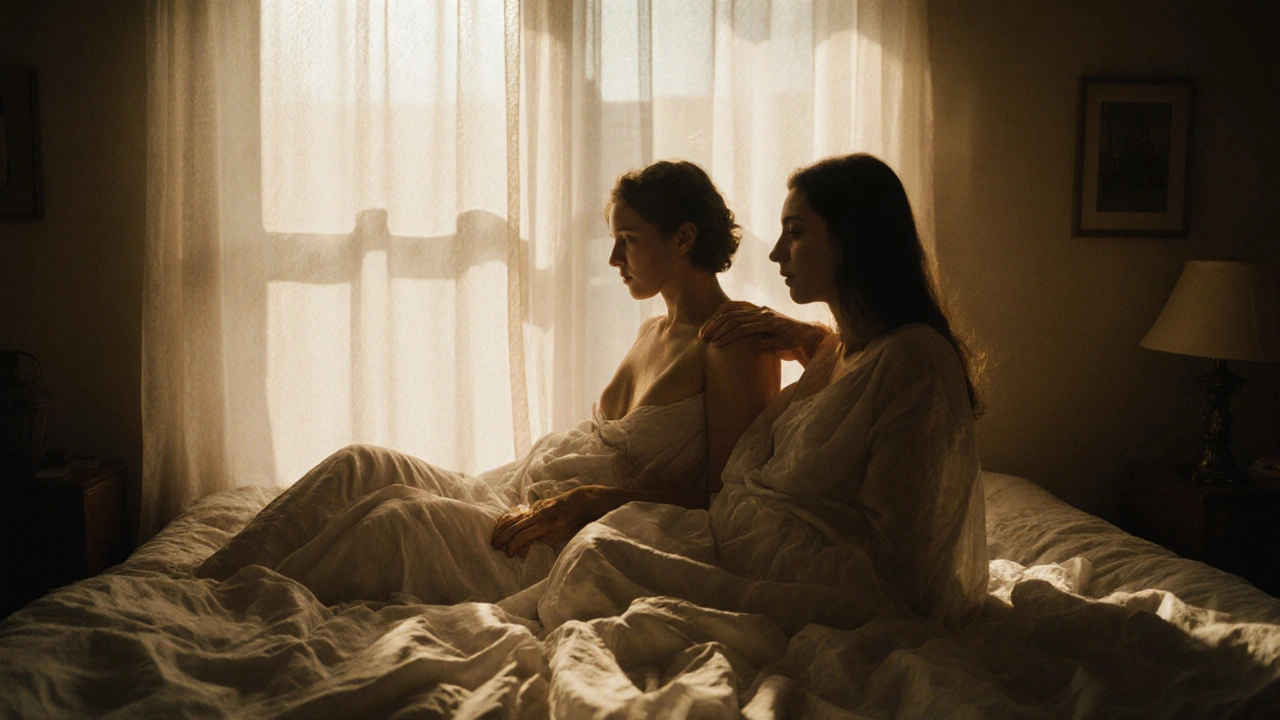
Visual storytelling, how a film communicates without words through composition, color, and movement, is one of the clearest expressions of artistic intent. Look at how cinematographer-director collaboration, the tight creative partnership between a director and their director of photography shapes the look of a film. In Oppenheimer, the use of tight close-ups and flickering light wasn’t just for drama—it was to make the audience feel the weight of guilt. In Barbie, the hyper-saturated pink wasn’t just a style—it was a statement. These aren’t random aesthetics. They’re arguments. Every frame carries meaning because someone decided it should.
Artistic intent isn’t just about beauty. It’s about control. It’s why a documentary filmmaker chooses to film a subject in their home instead of a studio—it’s to show truth, not performance. It’s why an indie director shoots on old film stock, not digital—because the grain feels more human. It’s why some films use slow cuts while others jump wildly between scenes. Each decision serves a purpose. And when you understand that, you stop just watching movies—you start reading them.
You’ll find that in the posts below. From how lighting choices turn a scene into a feeling, to how directors build entire worlds with just a color palette, to why some films succeed not because they’re loud, but because they’re quiet. These aren’t just technical guides. They’re windows into what filmmakers are really trying to say. Whether you’re making a film or just watching one, knowing the difference between a shot and a statement changes everything.