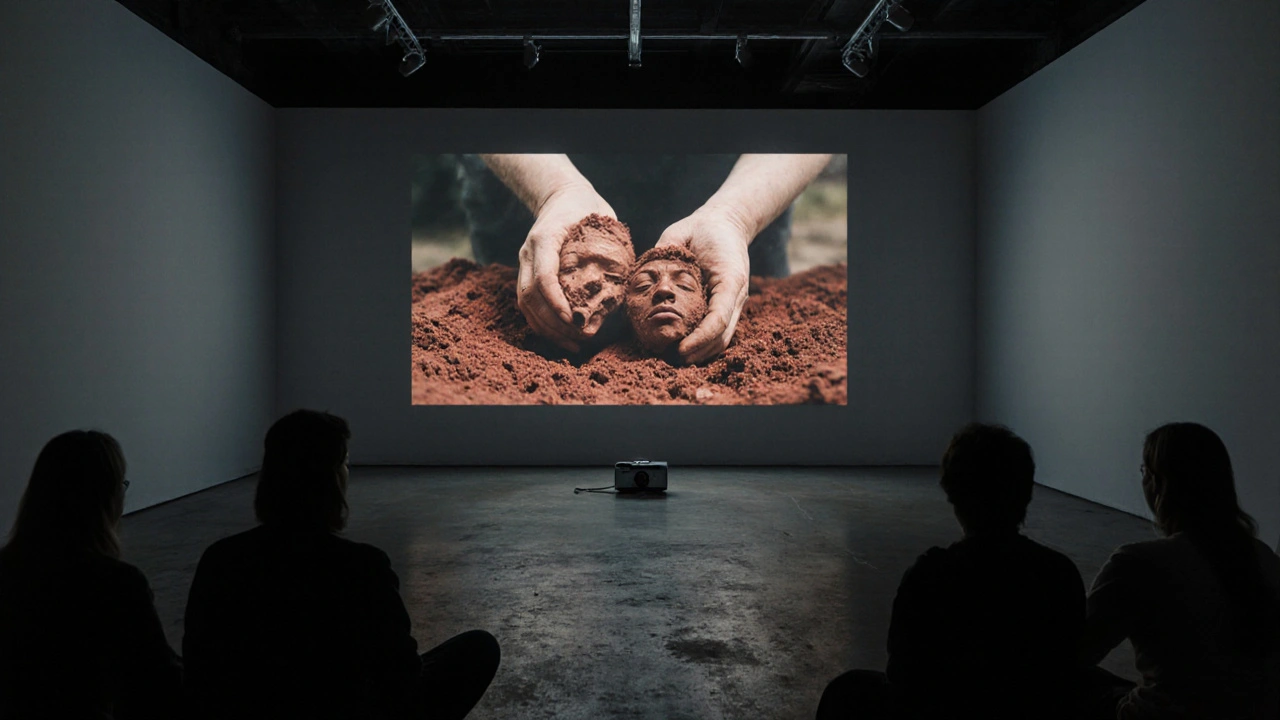
Artist-Focused Films: Stories Behind the Creators
When you watch an artist-focused film, a cinematic portrait that centers on the life, work, and inner world of a creative individual. Also known as film portraits, it doesn't just show what someone made—it shows why they made it, how they struggled, and what kept them going when no one was watching. These aren't glossy behind-the-scenes reels or award-season promo pieces. They're the quiet, messy, honest moments: a painter scrubbing paint off their hands at 3 a.m., a musician rewriting a song for the tenth time, a choreographer crying after a rehearsal that didn't quite land.
These films rely on documentary filmmakers, cinematographers and editors who build trust to capture authenticity more than they rely on big budgets. The best ones don't interview experts—they sit with the artist, let silence breathe, and let the work speak. You see how creative process, the messy, non-linear journey from idea to finished piece isn't glamorous. It's frustration, doubt, small wins, and stubborn persistence. That’s why these films connect. They remind us that art isn't about perfection—it's about showing up, again and again.
What makes an artist-focused film stick isn't the fame of the subject. It's the intimacy. A filmmaker might spend years living with a sculptor, sleeping in their studio, watching them argue with their own vision. The result? A film that feels like a secret you weren't meant to see. That’s why you’ll find these stories in the same places as microbudget indie films, self-distributed releases, and films shot with free tools like Blender or Natron. They’re made by people who care more about truth than scale.
These films also challenge the idea that creativity is solo work. You’ll see collaborators—editors, assistants, partners—who become invisible in mainstream narratives but are the quiet backbone of the art. That’s why independent cinema, a space where control stays with the maker, not the studio is where most artist-focused films thrive. No studio executive is going to greenlight a 90-minute film about a poet’s notebook. But an indie team with a smartphone and a shared belief? That’s another story.
What follows is a collection of stories that dug deep—into the minds of painters, composers, dancers, and writers who turned their obsessions into films. Some are about living legends. Others are about unknowns who changed their corner of the art world. All of them ask the same question: what does it cost to make something real? And more importantly—was it worth it?