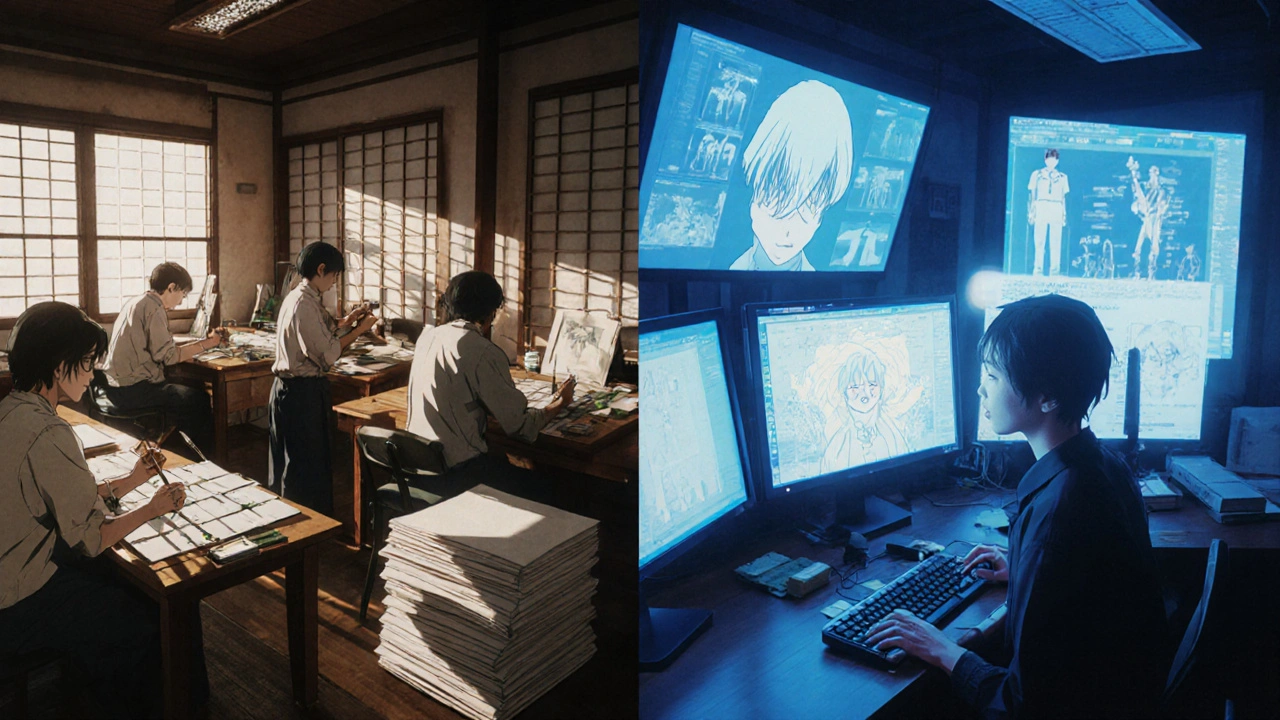
Anime Industry: Trends, Tools, and How It’s Changing Global Cinema
When we talk about the anime industry, a global ecosystem of animation studios, distributors, and fans that produces feature films, TV series, and digital content primarily originating from Japan but now influencing cinema worldwide. Also known as Japanese animation, it’s no longer just a niche genre—it’s a dominant force in how stories are told on screen. From Netflix originals to Oscar-nominated features, the anime industry is setting the pace for visual storytelling, character design, and emotional pacing in ways live-action films are now copying.
The rise of the voice acting animation, the specialized craft of syncing spoken dialogue with animated character movements to convey emotion and realism has pushed studios to treat voice performers like lead actors, not just recording booth talent. This isn’t just about matching lips—it’s about timing pauses, breaths, and reactions so the character feels alive. That same precision shows up in virtual production, the use of real-time rendering and LED walls to create immersive backgrounds during animation and hybrid live-action/animation shoots, a technique borrowed from Hollywood blockbusters but now being adapted for anime to cut costs and boost visual fidelity. You’ll see this in recent films where backgrounds shift dynamically with camera moves, something once impossible without months of hand-drawn backgrounds.
It’s not just tech. The film festivals, curated events where animated films gain exposure, critical recognition, and distribution deals, often serving as launchpads for indie anime have become vital for anime outside Japan. Festivals like Annecy, Sundance, and even Cannes now feature anime as seriously as live-action dramas. That’s why you’ll find posts here on how indie animators break into these events, how streaming platforms scout for talent there, and how short films from small studios go viral after a single screening. The anime industry doesn’t just rely on big studios anymore—it thrives on grassroots creators using crowdfunding, niche platforms, and festival buzz to reach millions.
What ties all this together? A shift in how audiences consume stories. People don’t just watch anime—they live in its world. They buy merch, follow voice actors on social media, and debate lore like it’s real history. That emotional connection is what streaming services are chasing. And it’s why studios now treat anime like a franchise engine, not just a movie or show. Whether it’s a quiet indie short or a $100 million adaptation of a manga, the goal is the same: make you care before the credits roll.
Below, you’ll find real-world guides on how to pitch animated projects, how studios nail lip sync without a massive budget, how virtual sets are cutting production time, and how indie anime finds its audience in a sea of content. These aren’t theory pieces—they’re the tools and tactics being used right now by people who are making it happen.