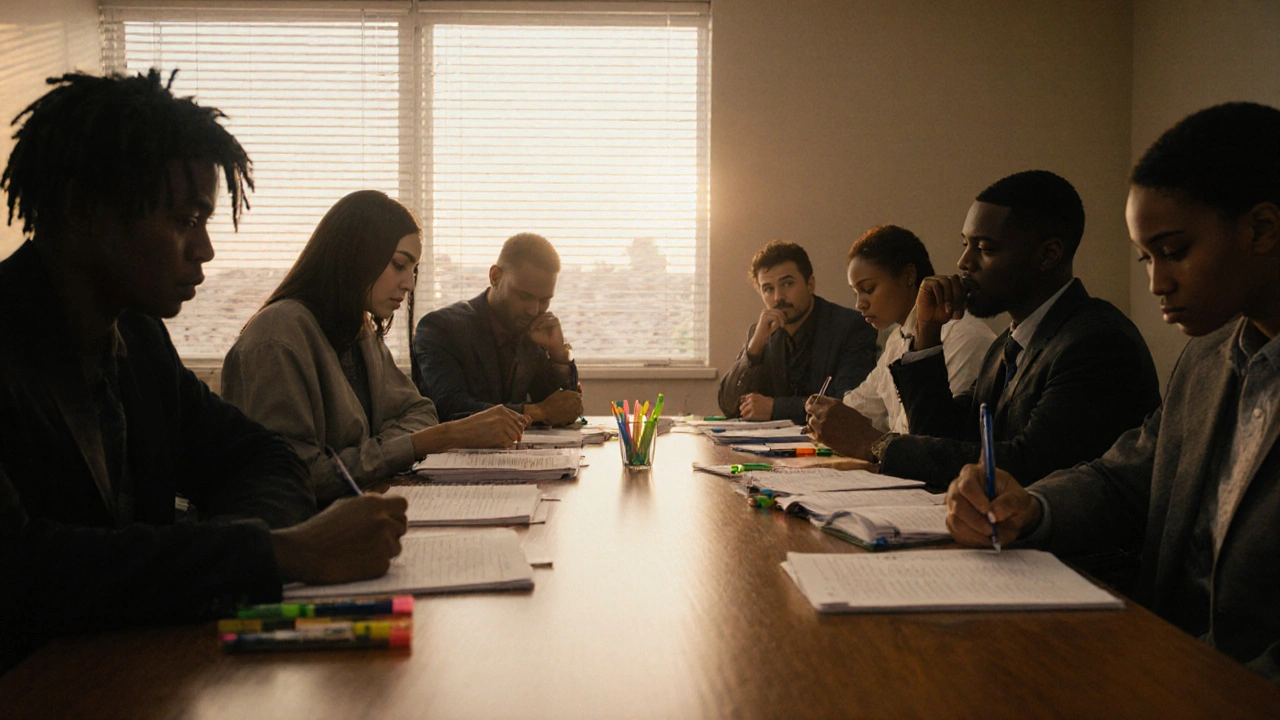
Actor Preparation: How Performers Get Ready for Roles on Set and Screen
When you think about actor preparation, the process actors use to embody a character before and during filming. Also known as acting technique, it’s what turns a script into something real—something you believe in, even if it’s absurd or heartbreaking. It’s not just about learning lines. It’s about changing how you walk, how you breathe, how you think. Some actors spend months with dialect coaches. Others live as their character for weeks. A few even break bones for authenticity. This isn’t theater. This is cinema, and the stakes are higher because the camera catches everything.
Good performance notes, the subtle, often cryptic directions directors give actors to unlock truth on camera are part of this. They don’t say "be sad." They say, "Imagine you just got a letter you’ve been waiting for ten years." That’s the difference between acting and living the role. And it’s not just the actor’s job. It’s a team effort. actor availability, how an actor’s schedule, contracts, and personal commitments affect filming timelines shapes entire movies. A lead actor’s vacation, injury, or contract dispute can delay a production for months. Studios don’t plan around scripts—they plan around who’s free and when.
On indie sets, actor preparation often happens in parking lots between takes. No fancy studios. No weeks of rehearsal. Just a quiet moment before the camera rolls, a deep breath, and a shared look with the director. That’s where the real magic happens. You see it in films like My Left Foot or Everything Everywhere All at Once—where the performance feels lived-in, not performed. That’s not luck. That’s preparation.
It’s not always about intensity, either. Sometimes it’s about stillness. Silence on set isn’t empty—it’s a tool. Actors use it to build tension, to let emotion simmer. And directors? They know exactly when to push and when to step back. That’s why you’ll find posts here about how directors give feedback, how contracts lock in schedules, and how even the smallest roles demand serious work. Whether it’s motion capture, low-budget shoots, or Oscar campaigns, the core is the same: someone had to become someone else—and make it look easy.
What follows is a collection of real stories from film sets, festivals, and production rooms—where actors, directors, and crews figure out how to make the impossible feel real. You’ll see how preparation isn’t a luxury. It’s the foundation. And in a world where so much feels manufactured, that’s the only thing that still moves us.