Actor Availability: How Casting Delays, Scheduling, and Budgets Shape Film Production
When you hear actor availability, the window of time a performer can commit to a film shoot. Also known as star scheduling, it’s not just about who’s free—it’s about who’s affordable, who’s in demand, and who can actually show up when the lights go on. It’s the silent clock ticking behind every movie you see. A lead actor might be locked into a TV series, touring for a music album, or recovering from an injury. That one gap can delay production for months, blow through a budget, or force a rewrite. Studios don’t just pick actors because they’re talented—they pick them because they’re available at the exact right time.
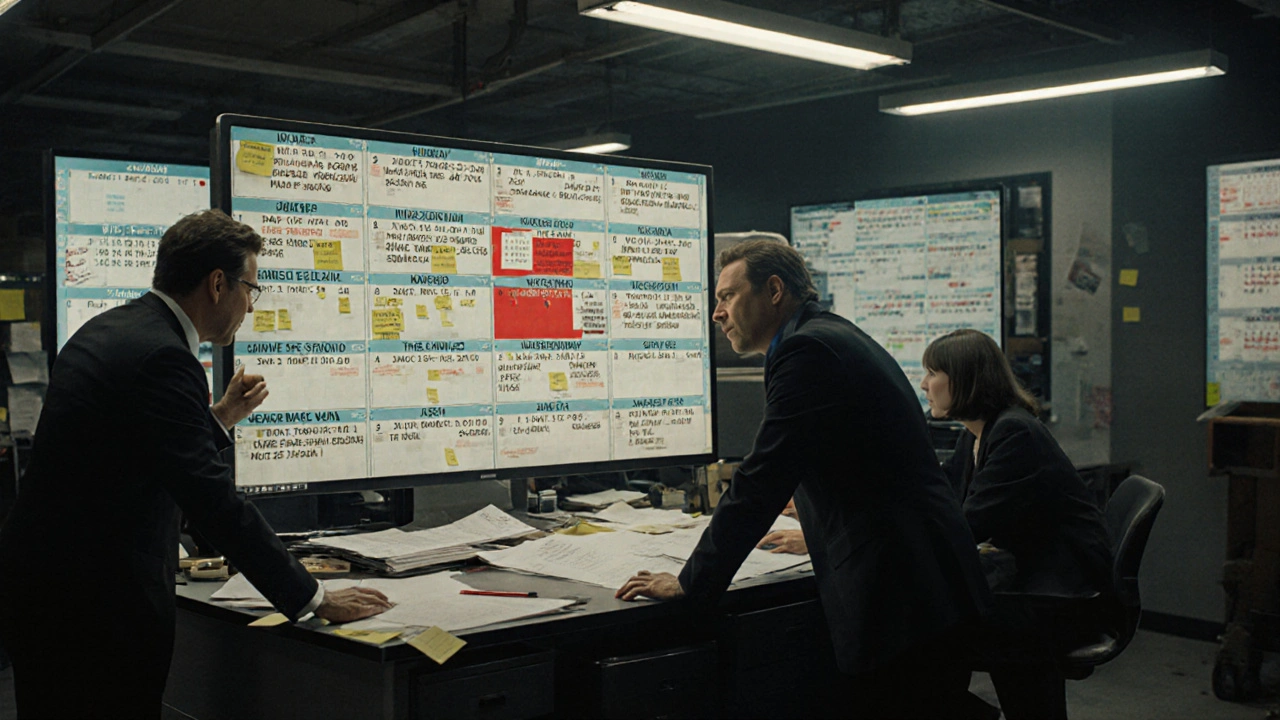
Film scheduling, the strategic planning of shoot dates around cast and crew availability is a high-stakes puzzle. If your lead actor can only work for six weeks in October, the entire shoot gets built around that. That means shooting all their scenes first, even if it means filming the climax before the opening scene. Casting delays, when a planned actor drops out or can’t commit, forcing last-minute replacements are expensive. Think of the chaos when an actor pulls out mid-prep—rewrites, renegotiations, reshoots, and lost momentum. Indie films feel this hardest. They often rely on actors taking pay cuts or deferrals, which means their availability is tied to their financial survival. A big-name actor might say yes because they love the script, but if they’re also doing three other projects, their days on set are counted in hours, not weeks.
Production budget, the total financial plan for making a film, including actor compensation and scheduling costs is the real gatekeeper. Top-tier actors command high fees, but they also demand tight schedules to avoid burnout. That means more crew, more locations, more overtime—all adding up. Meanwhile, indie films stretch thin, hoping actors will work for deferred pay or back-end points. But if the film doesn’t get funded, those deferred payments vanish. And when budgets shrink, so does the flexibility to wait. A two-week delay because an actor is on vacation can cost tens of thousands in location fees and crew wages. That’s why producers track availability like a chess game: who’s free next month? Who’s open to a 4-day shoot? Who’ll take a smaller role if it means getting paid later?
You’ll see this play out in the posts below. How studios stack holiday releases to lock in stars before they jump to another project. How indie crews finish films with zero budget because their lead actor agreed to work for free, if they could shoot around their day job. How FX-heavy films tie actor schedules to motion capture sessions that can’t be moved. How Oscar campaigns time premieres around when voters are free to screen films. Every film you watch was shaped by who could show up, when, and for how much. This isn’t Hollywood magic—it’s logistics, compromise, and timing. Below, you’ll find real stories from sets where actor availability made or broke the movie.