How to Critique Acting in Film Reviews: A Practical Guide
Learn how to analyze and write about acting in film reviews with practical tools, real examples, and common mistakes to avoid. Focus on truth, not just technique.
When you watch a movie and feel like the actor acting critique, the evaluation of an actor’s performance based on emotional truth, technical skill, and character consistency. Also known as performance analysis, it’s what separates a scene you remember from one you forget. You’re not just watching a person read lines—you’re seeing a carefully constructed human being, shaped by choices only a skilled performer can make. Acting critique isn’t about whether someone was ‘good’ or ‘bad.’ It’s about whether their performance served the story, felt real, and stayed with you after the credits rolled.
That’s why film performance, the execution of a character by an actor in a cinematic context, measured by subtlety, timing, and emotional resonance matters more than ever. Modern audiences don’t just want big gestures—they want quiet moments that crack open a character’s soul. Think of the silence between lines in a scene from Manchester by the Sea or the way a glance in Everything Everywhere All at Once carries more weight than a monologue. These aren’t accidents. They’re the result of actors who understood the script, the director’s vision, and the camera’s eye. And they’re the exact things critics and filmmakers look for when they do actor evaluation, the process of assessing an actor’s contribution to a film’s emotional and narrative impact.
It’s not just about awards season either. cinematic acting, the style and technique of performance specifically shaped for the film medium, distinct from stage or TV acting is shaped by lighting, editing, close-ups, and even the length of a take. A performance that works on a big screen might fall flat on stage. That’s why some of the best acting you’ll ever see happens in scenes with no dialogue—just a hand trembling, a breath held too long, or eyes that won’t look away. These are the moments that survive long after the plot is forgotten.
And then there’s the audience. Social media reactions, Reddit threads, TikTok breakdowns—they’ve all become part of the acting critique landscape. People now dissect performances in real time, not just after the premiere. That shift means actors aren’t just performing for directors anymore—they’re performing for a global, instant audience that can turn a single scene into a cultural moment.
What you’ll find in this collection isn’t a list of who won what. It’s a look at how performances are built, judged, and remembered. From the quiet intensity of indie films to the explosive energy of blockbusters, these posts break down what makes acting work—on set, on screen, and in the minds of viewers. You’ll see how casting decisions tie into performance, how directors guide actors to their best work, and why some performances become legendary while others vanish. This isn’t about opinion. It’s about understanding the craft behind the character.
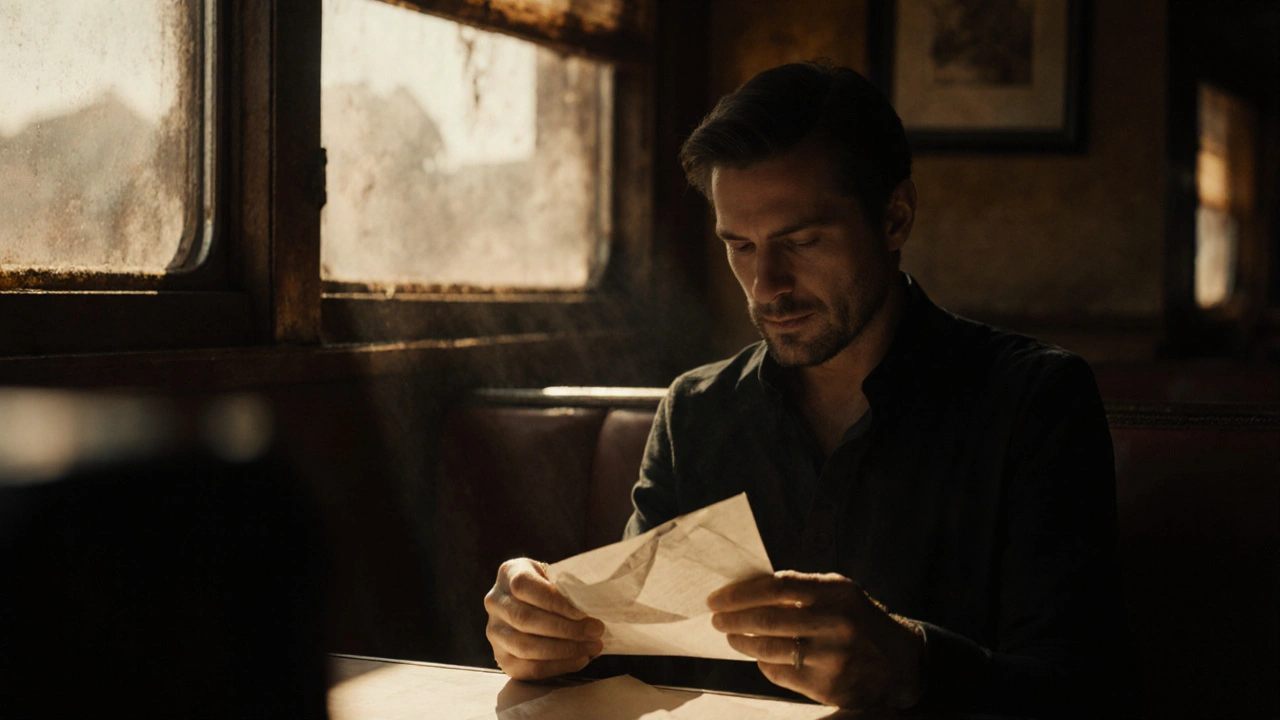
Learn how to analyze and write about acting in film reviews with practical tools, real examples, and common mistakes to avoid. Focus on truth, not just technique.