Acting and Directing: How Performance and Vision Shape Great Films
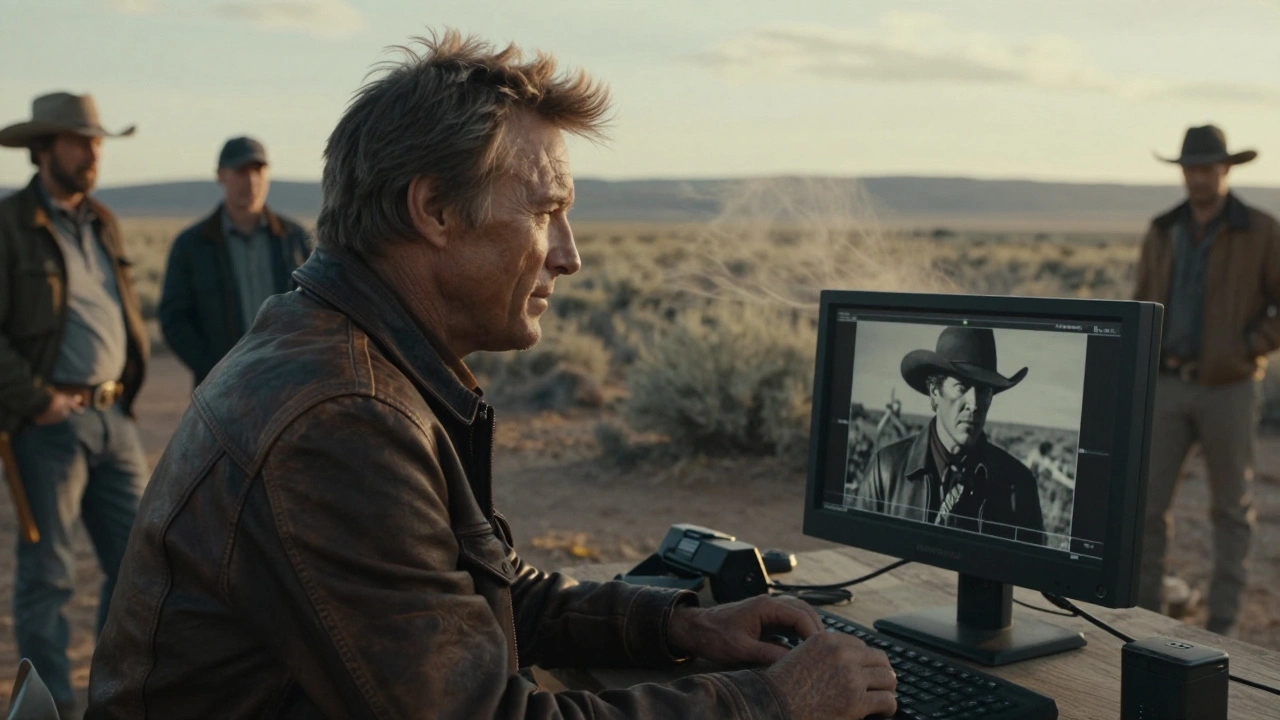
When you think about what makes a movie stick with you, it’s rarely the camera moves or the budget—it’s the acting and directing, the combined force of a performer’s truth and a filmmaker’s vision that brings a story to life. This is where the script stops being words on a page and starts feeling real. Great acting and directing aren’t just skills—they’re a conversation. A director doesn’t just tell an actor what to do; they create a space where the actor can find something raw, unexpected, and human. And the best actors? They don’t just follow directions—they push back, ask questions, and sometimes rewrite the scene in their body language before a single word is spoken.
This partnership shows up in every frame. Look at how a director uses silence—letting a glance linger, holding a shot just a beat too long—because they know the actor’s expression says more than any line ever could. Or how a director might change the blocking of a scene not to improve the composition, but because the actor’s rhythm felt off. That’s not interference—that’s collaboration. cinematic storytelling, the art of conveying emotion and meaning through visual and performative choices lives in these tiny, unscripted moments. It’s why two actors playing the same role in two different films can feel like completely different people. It’s not the script—it’s how the director helped them find their version of it.
And it’s not just about big emotional scenes. The quietest moments—someone fidgeting with a coffee cup, avoiding eye contact, laughing too hard—those are the ones that stick. They come from trust. A director who listens, who doesn’t rush, who lets the actor sit in discomfort until something real surfaces. That’s the kind of direction that doesn’t show up in the credits, but shows up in every frame. director-actor collaboration, the dynamic exchange of ideas, instincts, and boundaries that shapes a performance is the invisible craft behind your favorite performances. It’s why some films feel like you’re peeking into someone’s life, not watching a movie.
What you’ll find here isn’t theory. It’s the real stuff—how film readers spot when a performance feels forced, how directors handle actors who don’t respond to traditional methods, why some performances win awards and others just haunt you. You’ll see how lighting, pacing, and even the weather on set can change how an actor delivers a line. And you’ll learn why the best directors don’t just guide performances—they protect them.