Failed Franchise Attempts: What Went Wrong
Why do so many movie franchises fail after the first film? From rushed sequels to lost identity, here’s what really kills a franchise-and what makes the few survivors last.
When a movie succeeds, studios rush to make a sequel. But too often, the follow-up doesn’t just underperform—it movie sequel failure becomes a punchline. It’s not about bad actors or weak scripts alone. It’s deeper. It’s about losing what made the original matter in the first place. A sequel isn’t just a continuation—it’s a promise. And when that promise breaks, audiences don’t just walk away. They remember.
Behind every failed sequel is a chain of decisions made before the cameras even rolled. film franchises, series of films built around a single brand, character, or universe that rely on audience loyalty and predictable returns are treated like vending machines: insert cash, get product. But audiences aren’t dumb. They notice when a studio prioritizes schedule over story, when a director is swapped out for someone who’s available, not passionate. sequel backlash, the public rejection of a follow-up film due to perceived betrayal of the original’s spirit or quality doesn’t come from nowhere. It’s the result of repeated missteps—rehashing plot points, killing off beloved characters for cheap drama, or forcing in unnecessary CGI just to look "epic."
And then there’s box office flop, a film that fails to earn back its production and marketing costs, often signaling a collapse in audience trust. Sometimes, the numbers don’t lie. A sequel opens strong, then drops 70% in week two. Why? Because word of mouth turned toxic. Social media doesn’t wait for critics. Fans call it out in real time: "This isn’t the same," "They ruined the tone," "Why did they do this?" And when those voices pile up, the box office doesn’t recover. Even big names can’t save a sequel that feels like a corporate checklist.
It’s not all doom, though. Some sequels thrive—because they respect the original, give the team room to breathe, and treat fans like partners, not targets. But too many studios still think volume equals success. They crank out sequels like soda cans, ignoring the fact that people don’t buy more of something just because it’s there. They buy it because it means something.
Below, you’ll find real breakdowns of what goes wrong—how insurance claims get tangled in delayed shoots, how casting schedules derail entire franchises, how production incentives get misused, and why even the best visual effects can’t fix a story that’s already dead. These aren’t just industry secrets. They’re lessons in what happens when creativity gets buried under spreadsheets.
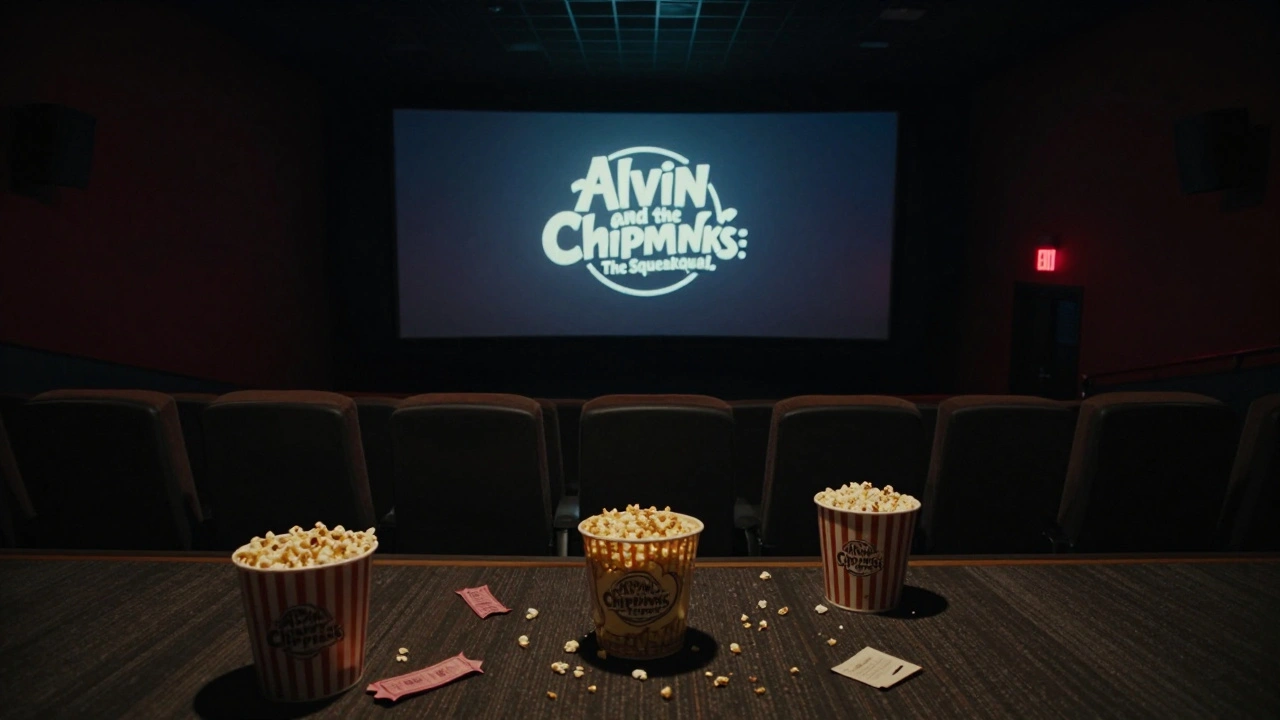
Why do so many movie franchises fail after the first film? From rushed sequels to lost identity, here’s what really kills a franchise-and what makes the few survivors last.