International Short Films Winning Major Awards in 2025
Discover the most powerful international short films winning major awards in 2025, from Cannes to the Oscars. Learn how these tiny films make huge impacts-and where to watch them.
When you think of cinema, you might picture big budgets, star actors, and wide releases—but some of the most powerful stories in film come in under 20 minutes. International short films, brief cinematic works produced outside the dominant Hollywood system, often funded by local arts councils, film institutes, or crowdfunding. Also known as global short cinema, these films are where emerging directors test radical ideas, where cultural voices not heard on mainstream screens find their footing, and where festivals like Cannes, Sundance, and Berlinale make their most daring discoveries. They don’t need star power to move you. A single scene, a quiet gesture, or a haunting sound can say more than two hours of dialogue.
What makes these films different isn’t just their length—it’s their freedom. Without studio pressure to appeal to mass audiences, filmmakers from Nigeria to Nepal to Norway can explore taboo subjects, local myths, or political truths that wouldn’t survive a studio pitch meeting. Film festivals, curated events that showcase independent and international work, often serve as the only platform where these films reach viewers. Also known as short film circuits, they’re the launchpad for careers and the heartbeat of global cinema culture. A short film that wins at Clermont-Ferrand might never play in a theater, but if it goes viral on YouTube or gets picked up by MUBI, it can change how people see a country, a community, or a human experience.
Behind every great international short is a tight budget and a passionate team. Cross-border cinema, co-productions between countries that share funding, talent, or language to make films that resonate across borders. Also known as transnational short films, they’re becoming more common as streaming platforms look for fresh, authentic stories that stand out in crowded feeds. You’ll find these films funded by European film funds, supported by Latin American co-production networks, or shot by students in India using phones and natural light. They don’t need fancy gear—they need truth.
And that’s what you’ll find in this collection: real stories from real places. From how filmmakers in Southeast Asia use minimal dialogue to build tension, to how African directors are rewriting the rules of narrative time, to how Eastern European shorts use symbolism to bypass censorship—you’ll see how creativity thrives under constraints. These aren’t just films. They’re acts of resistance, identity, and artistry squeezed into minutes, not hours. What follows isn’t a list of random clips. It’s a window into the world’s most urgent, intimate, and unforgettable cinematic moments—made small on purpose, so they stick with you forever.
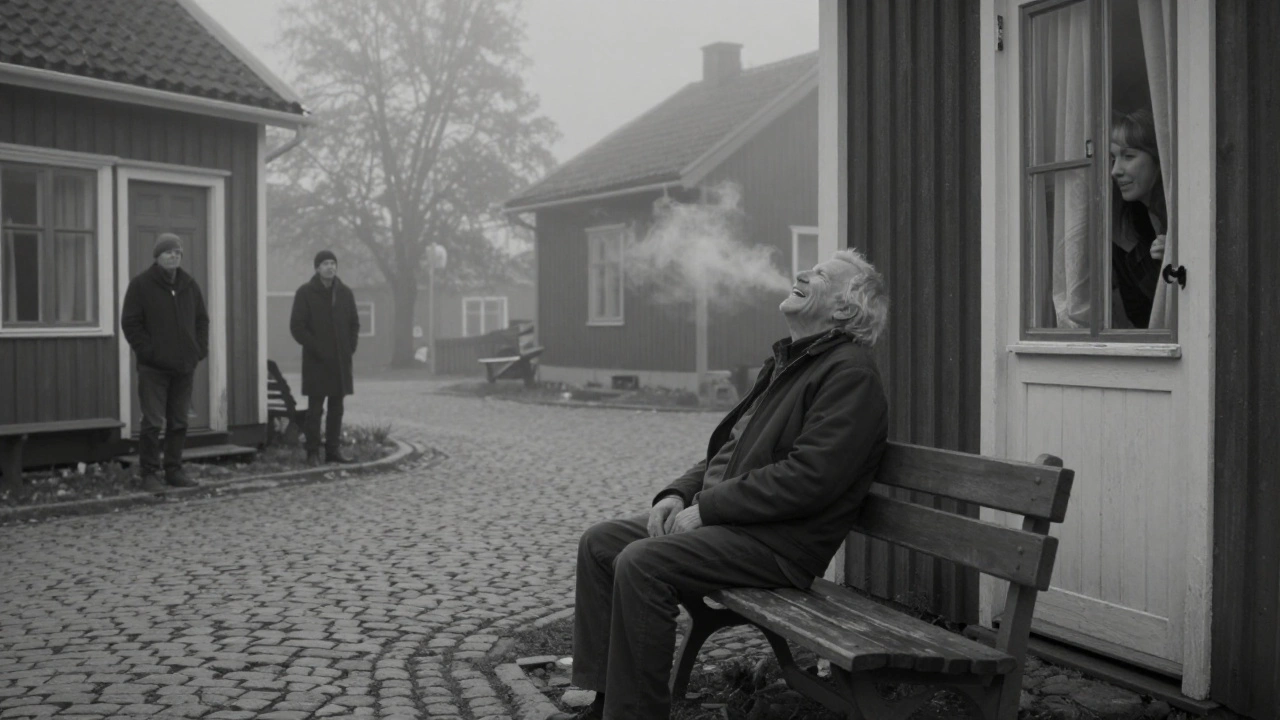
Discover the most powerful international short films winning major awards in 2025, from Cannes to the Oscars. Learn how these tiny films make huge impacts-and where to watch them.