Failed Franchise Attempts: What Went Wrong
Why do so many movie franchises fail after the first film? From rushed sequels to lost identity, here’s what really kills a franchise-and what makes the few survivors last.
When a franchise flop, a highly anticipated movie sequel or spin-off that fails to meet financial or critical expectations. Also known as a box office bomb, it’s not just about bad reviews—it’s about broken promises. Audiences don’t walk out because the effects were cheap. They walk out because the story forgot why they cared in the first place. The biggest studios spend hundreds of millions on marketing, star salaries, and visual effects, yet some of these films still tank. Why? Because a franchise isn’t just a brand. It’s a relationship. And when that relationship turns toxic, the money disappears.
Behind every franchise flop are real patterns. One is star contracts, binding agreements that lock actors into multi-film deals, often forcing studios to rush sequels before the script is ready. Think of a sequel made just to fulfill a contract, not because the story has more to say. Another is box office stacking, when studios release too many big films in the same window, splitting audience attention and diluting box office potential. Then there’s audience fatigue, the moment fans stop showing up because every new entry feels like a repeat, not a progression. These aren’t random mistakes. They’re systemic. Studios think more money, more explosions, more cameos equals more success. But audiences aren’t buying products—they’re buying meaning.
Look at the data. Films like Spider-Man 3, Transformers: Age of Extinction, and Justice League all had budgets over $200 million. None of them delivered the cultural return. Meanwhile, smaller films like Everything Everywhere All at Once or Parasite won Oscars because they took risks, not because they had the biggest budget. The lesson? A franchise doesn’t die because it’s old. It dies because it stops listening.
What you’ll find in this collection aren’t just lists of failed sequels. You’ll see real breakdowns of what went wrong—how bad scheduling, weak scripts, and ignored fan feedback turned billion-dollar hopes into industry cautionary tales. Some posts dig into how insurance claims for troubled productions pile up. Others show how set design choices can accidentally kill a film’s tone. There’s even analysis on how social media reactions turned early buzz into full-blown backlash. This isn’t about blaming directors or actors. It’s about understanding the machine—and how to avoid its traps.
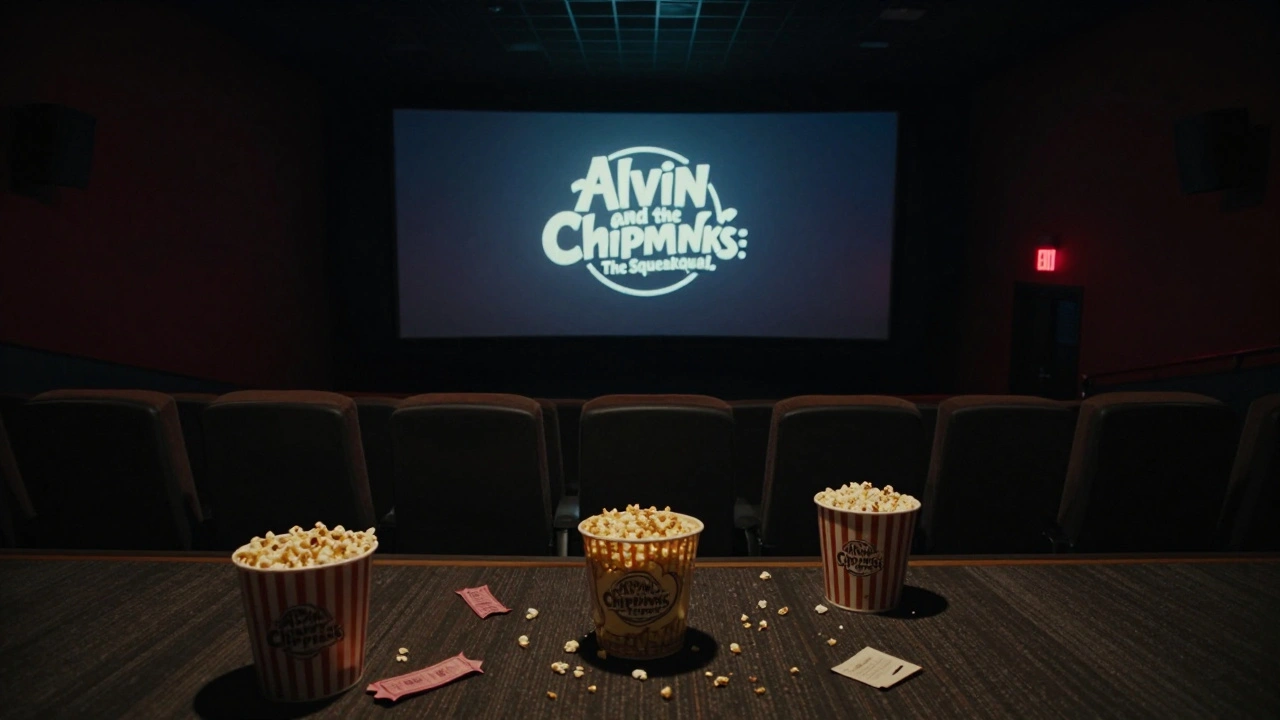
Why do so many movie franchises fail after the first film? From rushed sequels to lost identity, here’s what really kills a franchise-and what makes the few survivors last.