Failed Franchise Attempts: What Went Wrong
Why do so many movie franchises fail after the first film? From rushed sequels to lost identity, here’s what really kills a franchise-and what makes the few survivors last.
When a failed franchise, a movie series that loses audience interest, financial support, or creative momentum after early success. Also known as box office flop series, it often starts with hype, big marketing, and high expectations—only to fade into obscurity after one or two sequels. It’s not about bad actors or weak scripts alone. It’s about misaligned incentives, studio greed, and losing sight of what made the original work. Think Spider-Man 3 after the first two hits, or The Mummy reboot trilogy that ignored everything fans loved. These aren’t accidents—they’re patterns.
A movie franchise, a connected series of films built around a shared universe, characters, or brand. Also known as cinematic universe, it relies on continuity, emotional investment, and consistent quality. But studios often treat them like vending machines: drop a sequel every two years, no matter the story. That’s why studio franchise strategy, the business plan behind releasing sequels, spin-offs, and reboots to maximize long-term profits. Also known as franchise pipeline, it frequently ignores audience feedback. When fans start complaining about forced cameos, recycled plots, or characters acting out of pocket, the franchise is already dying. The data doesn’t lie: franchises that listen to fans—like John Wick or Mad Max: Fury Road—last. Those that don’t? They vanish into the studio’s vaults.
And it’s not just about money. A box office failure, a film or series that underperforms financially despite high expectations or big budgets. Also known as commercial flop, it often starts with a creative team that’s burned out or forced into a tight schedule. Directors get replaced. Writers are swapped. Actors get locked into multi-film deals they can’t escape. That’s why Transformers 3 felt like a toy commercial and Green Lantern collapsed under its own weight. No one cared because the story didn’t matter anymore. What’s left is a ghost of what could’ve been.
But here’s the thing: a failed franchise isn’t the end. It’s a lesson. The posts below dig into exactly how these collapses happen—from star contracts that trap studios, to production delays that kill momentum, to audiences turning to social media to voice their frustration. You’ll find real cases where filmmakers fought to save a dying series, where budgets got slashed mid-shoot, and where streaming changed the rules entirely. This isn’t just about why things go wrong. It’s about what you can learn from them—whether you’re a fan, a filmmaker, or just someone who loved a movie that never got the sequel it deserved.
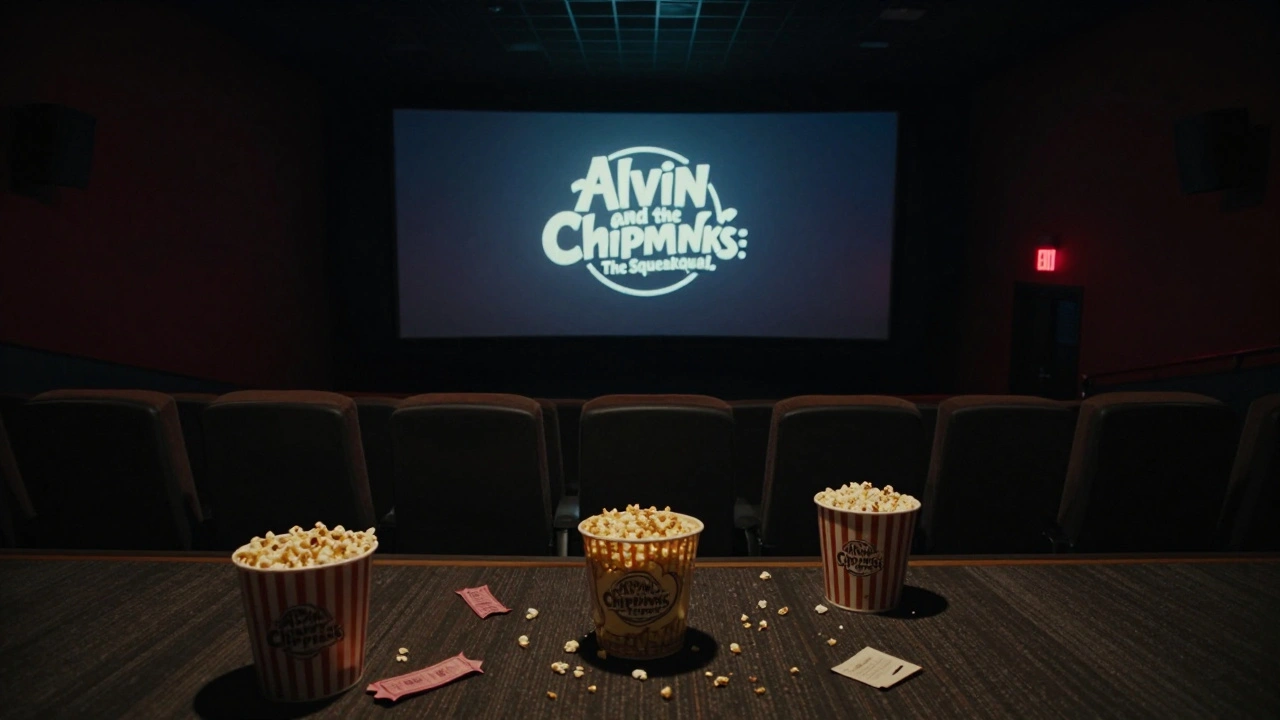
Why do so many movie franchises fail after the first film? From rushed sequels to lost identity, here’s what really kills a franchise-and what makes the few survivors last.